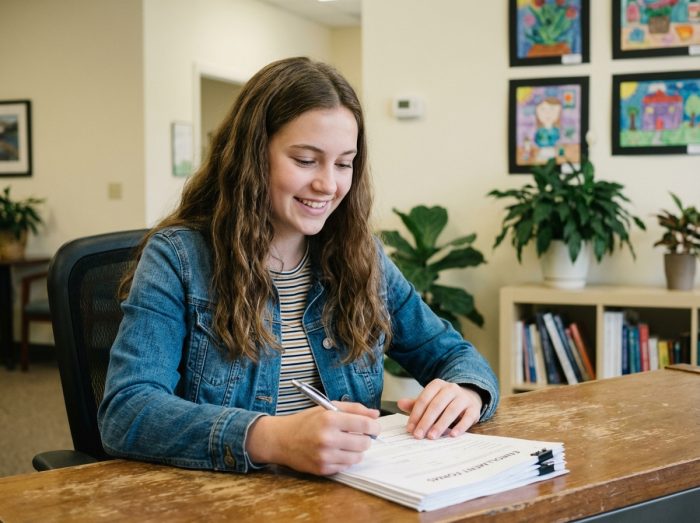
The Parcoursup process does not cover all private art schools: some maintain their own calendar and selection criteria. The motivation letter can be just as important, if not more so, than the academic record, depending on the institution targeted. Admissions sometimes close several months before the official start of the school year.
Non-refundable application fees are standard, even in the case of rejection. Individual interviews, often mandatory, sometimes include unexpected practical tests. As a result, methodical preparation is essential, taking into account specific rules for each school.
Understanding Private Art Schools: Training, Specificities, and Choices to Make
It is impossible to ignore the diversity that reigns within private art schools in France. Each institution cultivates its own philosophy: some focus on applied arts, while others stand out for their emphasis on visual arts, design, or the world of video game design. Paris, Lyon, or any other major city offers training with varied paths, leading to BTS, the DNSEP national diploma in plastic expression, or specific professional diplomas, some of which are highly sought after in the sector.
Selection rarely relies solely on the analysis of the academic record. It is necessary to compile a portfolio, prepare for the interview, and sometimes even take a practical test. Each institution develops its own evaluation criteria. The choice between a national higher school, a higher school of decorative arts, or a more specialized structure depends on each candidate’s project, their level of practice, but also their vision for their future in creative professions: graphic design, art design, scenography, visual communication… The options are plentiful.
Sorting through all these options requires a real analytical effort regarding the training offered and their recognition. For those looking to understand the concrete steps, the question how to enroll at ESMA comes up regularly: this example illustrates the uniqueness of each private school, from assembling the application to the admission calendar, including the educational expectations. The private art schools thus compose a diverse landscape, capable of welcoming varied profiles, often outside the beaten paths of public artistic education.
What Do Art Schools Really Expect During Admissions?
In private art schools, pure technique is not enough to secure a place. What matters is to bring forth a unique journey, a process that asserts itself. Admission juries seek to detect in each candidate a voice, a vision that goes beyond mere virtuosity. Whether targeting a school in Paris, Lyon, or elsewhere in France, the artistic potential of the candidate is assessed from multiple angles.
Here are the elements closely scrutinized during selection:
- A well-crafted art school portfolio that showcases both personal research and completed works, experiments, hesitations, and sometimes even choices left aside.
- A letter capable of revealing talent, style, personality: the project, influences, ambitions, but also doubts and self-reflection.
- The school reports, to gauge consistency and involvement, well beyond the averages.
The selection process varies by school: some prioritize the examination of the application, while others require an interview or art school competitions. The oral interview, when it takes place, allows for assessing the candidate’s ability to defend their ideas, to argue, to think outside the box. Each school sets its own benchmarks: boldness of gesture, coherence of the artistic portfolio, ability to work in a team or to stand out.
In these art schools, it is the project that captures attention. Demonstrating a journey, a progression, is as important as the final work. The application becomes a first work in its own right, to be defended and questioned. What schools expect is coherence, sincerity, and the desire to renew the perspective on art.
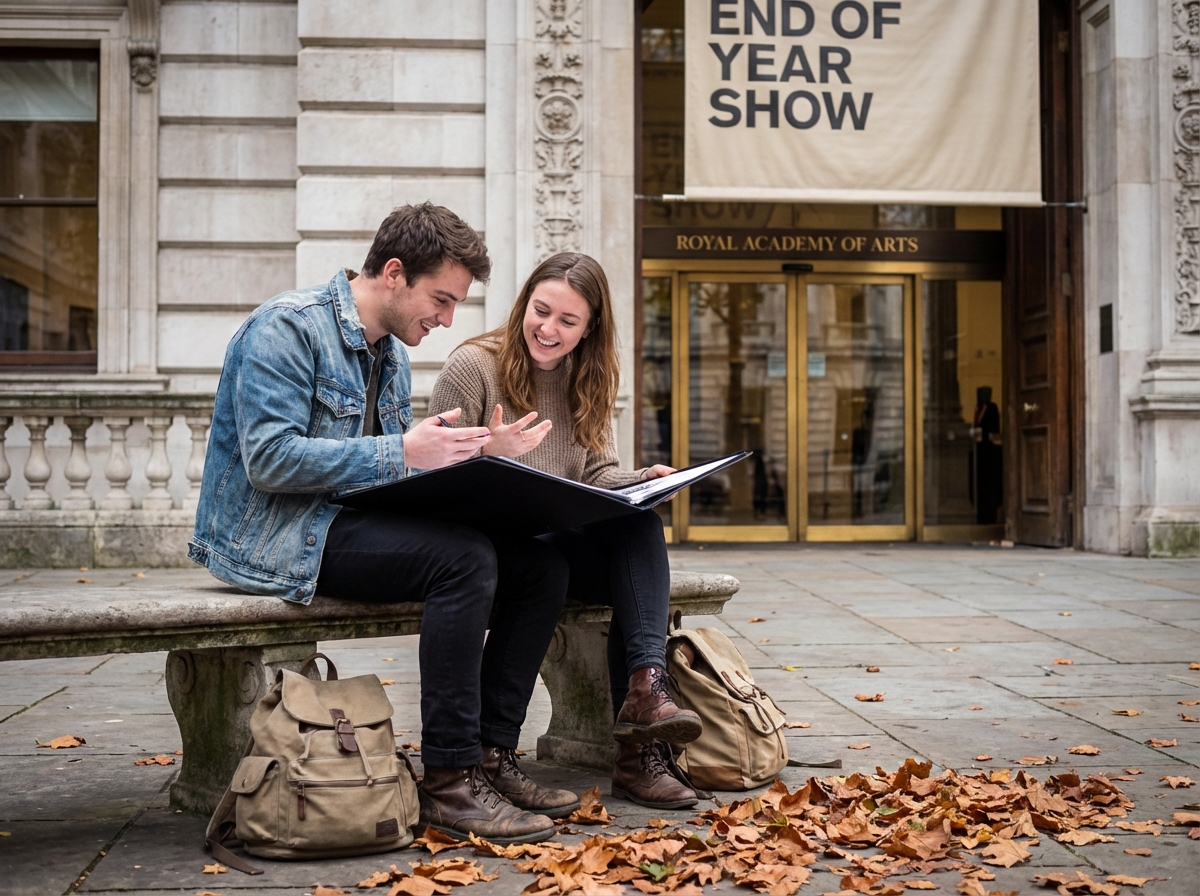
The Step-by-Step Enrollment Process: Practical Tips for Succeeding at Each Stage
To start an enrollment in a private art school, one must first target the training that truly corresponds to their project: applied arts, design, visual arts, or video game professions, each option has its codes and requirements. From the first reading of the art school guide, identify the deadline for submitting applications. Anticipate, as the calendar varies from one institution to another, especially if the Parcoursup platform is involved.
Assembling a application file requires method and creativity. It is necessary to gather administrative documents, portfolio, motivation letter, and school reports. For the artistic file, select strong and coherent works: it is about telling a journey, not accumulating evidence. The letter should highlight the coherence of the approach, the originality of the project, and personal involvement in the sphere of art Parcoursup.
The interview, when scheduled, should not be improvised. Prepare to present your universe, justify your choices, and speak frankly about your journey. Some candidates rely on an art preparatory course or a preparatory class to refine their application and presentation: a path to consider based on one’s maturity and needs.
It remains to monitor the feedback from the admission institution. A rejection is never definitive: it provides the opportunity to adjust, to rework, to try one’s luck elsewhere. Enrollment is never a simple procedure: it involves a series of strategic decisions that can have a lasting impact on the future trajectory. At each stage, it is an opportunity to clarify one’s course and to transform waiting into a springboard.