Forget everything you thought you knew about riding a 125cc: the reality of the license in France is not something you can guess, it needs to be deciphered, piece by piece. The texts overlap, exceptions arise, and the ambiguity spares no one, even seasoned riders.
Since 2007, anyone holding a category B license who wishes to ride a 125cc must undergo a supplementary training course of seven hours. This rule, unique in the European landscape, is not just a mere formality. It varies depending on the date of your license and the model of the two-wheeler. In other words, one must navigate through a mosaic of situations, where every detail matters to avoid unpleasant administrative surprises.
125cc motorcycle license in France: who can ride and under what conditions?
To ride a 125cc motorcycle or scooter in France, the options are clearly defined. License required to ride a 125cc motorcycle: it all depends on the license held, the experience accumulated, and the training undertaken. There are three main pathways available today:
- The A1 license opens the way to 125cc from the age of 16, provided that a dedicated theoretical test and specific practical training for this category of two-wheeler are passed.
- Holding a B license (car) allows access to the 125cc, but under certain conditions: two years of experience and completion of a mandatory seven-hour training, which combines theory, exercises on a closed course, and actual road riding. No exam to pass, but a certificate is issued at the end by the driving school.
- With an A2 or A license, the equivalence is automatic: all 125cc motorcycles are accessible, with no additional steps or specific training required.
The law leaves nothing to chance when it comes to safety: approved equipment, adherence to the code, and training focused as much on technique as on prevention. For holders of the B license, the training aims at both adaptation and awareness of the risks specific to two-wheelers. Note: only approved three-wheeled motorcycles or scooters (category L5e) can be ridden with a B license without additional training, provided that age and insurance requirements are met.
To explore all the subtleties, the file “License required to ride a 125cc motorcycle” gathers all the current regulations. The regulations are evolving, as are safety requirements. Before taking any steps, inform yourself: caution starts there.
What are the differences between the A1, A2, A, and B licenses for riding a 125cc?
Each license opens different doors to riding a motorcycle or 125cc scooter. Access, minimum age, required training: everything varies according to the chosen category.
The A1 license is aimed at young people from 16 years old. It requires a specific theoretical test and practical training focused on mastering a lightweight two-wheeler. Holders benefit from direct rights to ride a 125cc, without additional conditions.
The A2 license takes over at 18 years old. It imposes a power restriction (47.5 hp) but allows riding 125cc. It also prepares for moving up to larger displacements (A license) after two years of experience and additional training.
The A license removes all barriers: unrestricted access to all powered two-wheelers, regardless of power or displacement. Holding this license means having a free hand on the 125cc, with no additional steps or training required.
The B license, on the other hand, occupies a special place. It allows riding a 125cc only after two years of holding the license and completing a seven-hour training. This pathway exists to ensure that the motorist understands the specifics of two-wheelers. The training certificate must be submitted to the insurance to validate coverage.
In summary, the minimum age, training, required experience, and official recognition distinguish each license. Behind these nuances lies a common requirement: that mastery and safety take precedence on the road.
The steps and practical advice for obtaining the 125 license with peace of mind
Before getting on a 125cc motorcycle or scooter, a structured process is essential. Training remains a mandatory step, whether you are starting out or already hold a B license and wish to transition from the wheel to the handlebar.
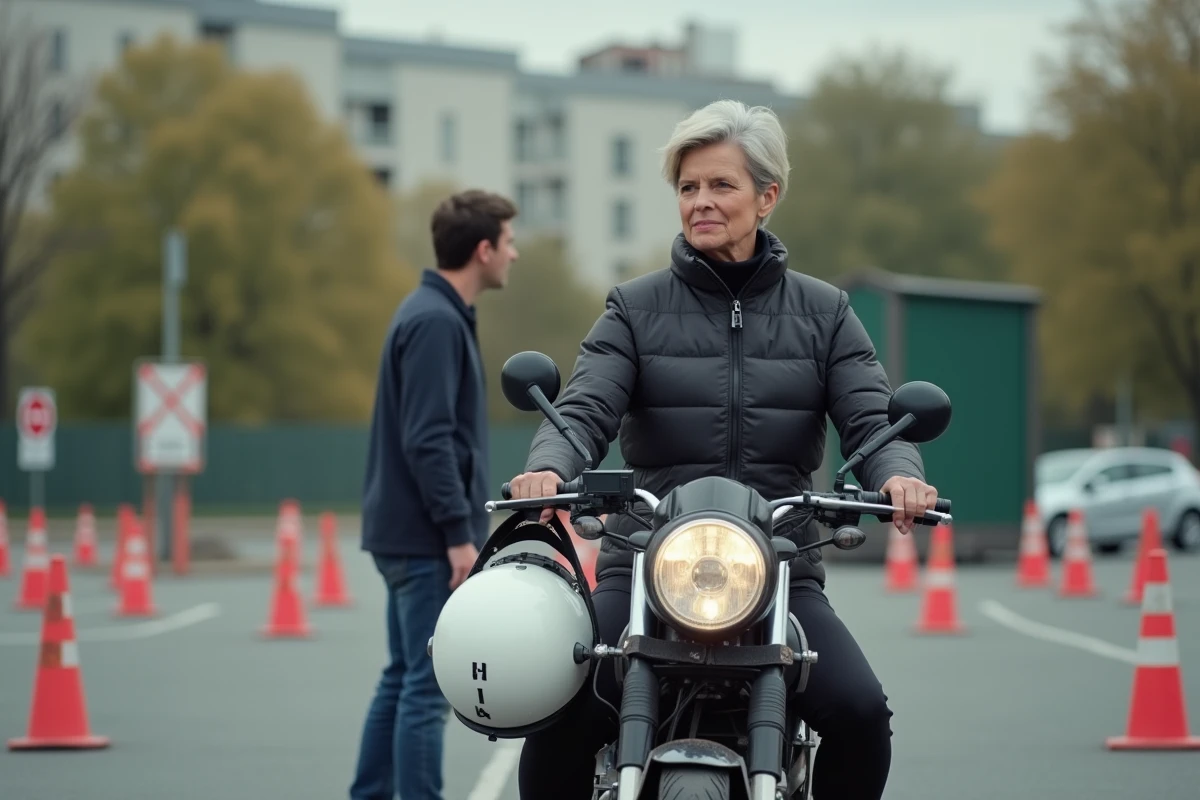
For holders of the B license for at least two years, the seven-hour training is mandatory. It consists of a theoretical module, practical exercises on a closed course, and then a phase in traffic. The goal: to integrate the specificities of two-wheelers, anticipate dangers, and adopt the right reflexes in daily riding.
Registration is done at an accredited driving school. It is essential to come equipped; the list of mandatory equipment is as follows:
- Approved helmet
- Certified gloves
- Long-sleeved jacket or coat
- Pants
- Boots or high-top shoes
Road safety allows no room for approximation. These pieces of equipment are required, both for learning and for daily riding.
Regarding the budget, the cost of training varies depending on the driving schools and the region. Generally, you should expect to pay between 200 and 350 euros for a complete and serious training course. Once validated, a certificate is issued to you. This document must be presented to the insurance for coverage to be effective.
Candidates for the A1 exam take a theoretical test (ETM) and a practical course that combines maneuverability and traffic. The rigor of training, mastery of technical gestures, and a fine understanding of driving situations on the road in France make the difference for riding calmly.
In the end, the 125cc license is never improvised. Between evolving regulations, safety requirements, and targeted training, each step shapes a more informed rider, ready to face the road with vigilance.