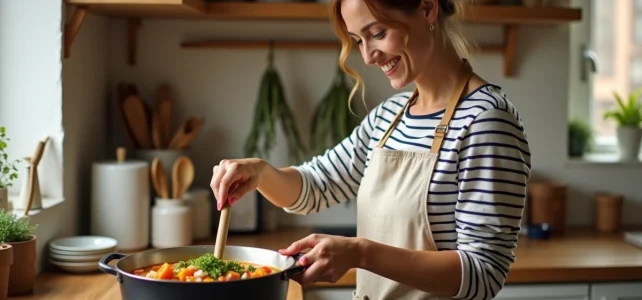
Preparing a meal that pleases everyone, from the youngest to the pickiest, without spending two hours in the kitchen: this is the daily challenge for most families. There are plenty of delicious ideas and easy recipes, but you still need to know which ones really work when time is tight and the fridge isn’t always full.
Cooking leftovers to turn one meal into two
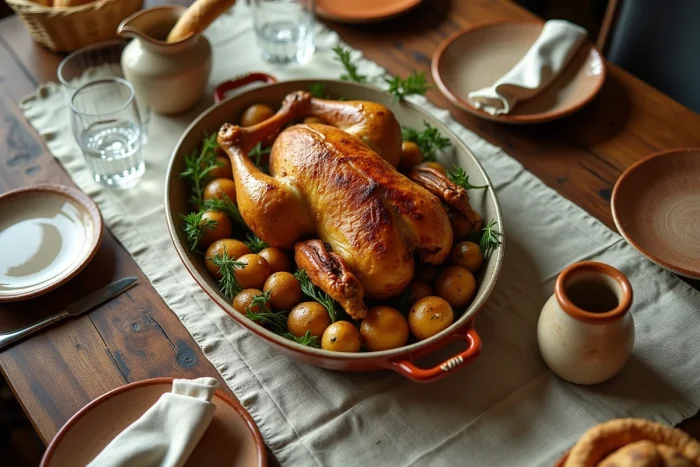
Have you ever noticed that the roast chicken from Sunday often ends up forgotten in a corner of the refrigerator? This habit is costly, and not just for your wallet. Since the gradual implementation of the AGEC law between 2020 and 2024, the fight against food waste has accelerated in France. Communities and associations now offer “leftover cooking” workshops for families.
Recommended read : The Latest High-Tech Trends and Must-See Innovations to Discover in 2024
The principle is simple: a dish prepared in the evening serves as the base for the next day’s meal. A leftover of rice becomes a stir-fried rice dish with vegetables and egg. A bit of ratatouille can be slipped into a quiche or a pasta bake. No need for a precise recipe, just a reflex: before throwing something away, ask yourself if the ingredient can change form.
Leftover chicken, for example, can be transformed into wraps filled with salad and yogurt sauce, or into a thick soup with seasonal vegetables. This way, you get two family meals from a single cooking session, which lightens both the mental load and the grocery budget.
Related reading : How to Understand the Difference Between Issues and Challenges in Your Professional Life
To find daily inspiration, Cookinette gathers recipes designed for this type of practical and anti-waste cooking.
Quick family meals: the trio of pasta, rice, and seasonal vegetables
When looking for meal ideas for the whole family during the week, three ingredients consistently come up: pasta, rice, and seasonal vegetables. This is no coincidence. They are inexpensive, store well, and accept almost all flavors.
Pasta beyond just spaghetti
A pasta bake with tuna and béchamel can be prepared with basic pantry ingredients. The secret is to add a vegetable to provide volume and color: broccoli, frozen spinach, or even grated zucchini that the kids won’t notice.
Overcooked pasta can easily be recycled into frittata. Mix it with beaten eggs, grated cheese, and some diced ham, then into the pan it goes. The result resembles a thick, golden omelet that the whole family will eat without discussion.
Rice as a versatile base
Stir-fried rice with vegetables works particularly well with leftover rice (the separated grains yield better results in the pan). You can add whatever you have on hand: diced carrots, frozen peas, soy sauce. For families looking for a more complete dish, a fried egg on top is enough to turn it into a balanced meal.
Recipes for picky eaters: focusing on familiar textures
Children who refuse vegetables don’t always do so because of the taste. Often, it’s the texture or visual appearance that blocks them. A visible piece of zucchini on a plate triggers a refusal. The same zucchini, blended into homemade tomato sauce, goes down without a problem.
Grating, blending, or incorporating vegetables into a familiar preparation remains the most effective technique. Here are some combinations that work well with reluctant palates:
- Mashed potatoes mixed with steamed cauliflower, topped with melted grated cheese
- Bolognese sauce enriched with finely blended carrots and celery, served over classic pasta
- Savory muffins with grated zucchini and ham, presented as “savory cakes”
- Crepes filled with spinach and ricotta, rolled like wraps
The common point of these dishes: the form reassures as much as the taste. A child is more likely to eat a muffin than a plate of steamed vegetables, even if the nutritional composition is similar.

Planning weekly menus without it becoming a chore
Meal planning can be daunting because it conjures up images of a complicated chart displayed on the fridge. In practice, it’s enough to think in terms of “families of dishes” rather than precise recipes.
A typical week could be organized like this:
- Two evenings of “pasta or rice” with different accompaniments (vegetables, chicken, tuna, eggs)
- One evening of “soup or velouté” with bread and cheese, suitable for nights when no one feels like cooking
- One evening of “oven dish” like a gratin, quiche, or savory cake, prepared in advance
- One evening of “transformed leftovers” to clear out the fridge before the next shopping trip
This system allows for flexibility. You know what type of dish to prepare without being locked into a single recipe. The shopping list comes from the plan, not the other way around, which avoids impulse purchases and ingredients that spoil.
Meal kit platforms like Quitoque or HelloFresh have also noted that recipes that can be completed in under twenty minutes represent a significant portion of family orders. This confirms that speed is as important as variety for families.
Adapting recipes to the family’s dietary constraints
Allergies, intolerances, specific diets: more and more households must juggle different dietary constraints around the same table. Online searches for family menus without major allergens or with a low glycemic index have surged since 2023.
The most realistic solution is not to prepare three different dishes, but to design a common base that everyone can personalize. A bowl of rice with sautéed vegetables works for the whole family. Those who cannot tolerate gluten simply avoid the regular soy sauce in favor of a gluten-free version. Those watching their cholesterol can replace grated cheese with toasted sesame seeds.
This “base plus options” principle reduces preparation time while respecting everyone’s needs. One dish, several variations at the table, without multiplying pots and frustrations.
A successful family meal does not depend on the complexity of the recipes or the budget spent. It relies on a few simple reflexes: use what you have, adapt textures for picky eaters, plan without rigidity. The rest is shared pleasure around the table.