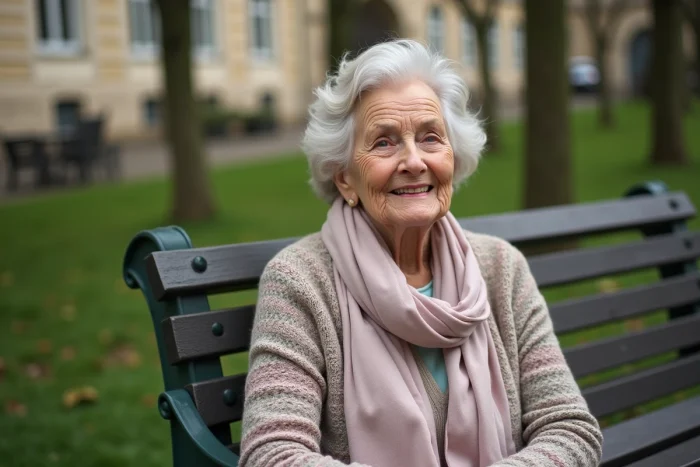
Rarity is fading. Since 2022, more than 30,000 French men and women have celebrated their 90th birthdays, nearly four times more than at the turn of the 1990s. Today, at this age, a woman can expect to live another 4.4 years, while a man can expect 3.2 years. INSEE leaves no room for doubt: “long life” is no longer an exception, but a structuring element of our collective reality.
All regions are affected. France has never had so many nonagenarians or centenarians, and women will overwhelmingly take the top spot on the longevity podium.
The milestone of 90 years: from exception to new norm
This symbolic crossing of 90 years, once reserved for a few rare faces in each community, is becoming commonplace. Nearly 1.5 million people now exceed this threshold. On a European level, France joins the countries that boast such longevity, alongside Sweden, Spain, and Italy. According to statistics on people living to 90, France could have 76,000 centenarians by 2040, and likely triple that number before 2100.
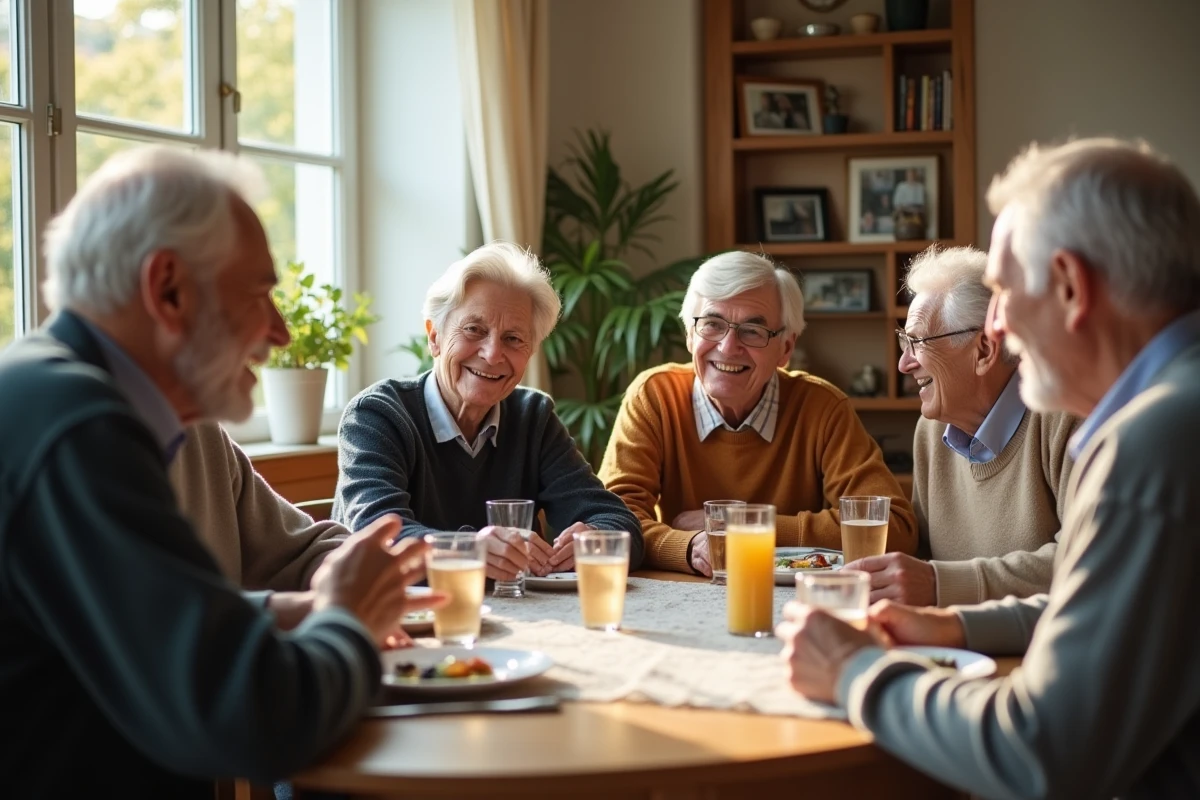
This transformation is not limited to Paris or large cities: from rural villages to metropolises, the face of the country is changing. With a record number of retirees nationwide, over 14 million, France must contend with an aging population that is predominantly female. Eight out of ten nonagenarians are women, a trend that is confirmed among centenarians. Lifestyles, housing, care, and social policy are taking on a new direction. In collective structures, a quarter of adults aged 90 to 94 live in communal settings, and this proportion increases with age.
Nonagenarians: profiles, realities, and new benchmarks
After 90, the gap between men and women widens. Women extend their lives by several years but often navigate these decades alone, following the loss of their partner.
Couple life diminishes with age: only 14% of women over 85 still live with a partner, while more than half of men still share their home with their companion. Choices differ based on circumstances. Some prioritize an independent daily life, while others seek refuge with relatives. Here’s how current lifestyles are distributed after 85:
- 32.4% live alone
- 56.6% share their housing with their partner
- 5.9% reside with a family member or close friends
Maintaining an independent life is becoming increasingly complex. Already, 12% of those aged 85-89 live in institutions, a figure that rises to a quarter beyond 90 and exceeds 40% after 95. Family solidarity persists in certain departments like Gers or Corsica, but in large cities, many enter a nursing home or a collective residence. The personalized autonomy allowance (APA) alone concerns 1.4 million beneficiaries, and more than 600,000 seniors officially reside in nursing homes.
Towards a society that must adjust
This rapid aging reshuffles the cards. How can cities, transportation, housing, or care pathways be adapted to this new reality? Faced with loss of autonomy, isolation, and the growing demand for assistance, existing systems are being pushed to their limits.
Loneliness, often silent, ultimately imposes itself. Among those over 85 who no longer share their lives as a couple, 94% live alone or in institutions. Many join a collective establishment sooner than expected, sometimes reluctantly, presenting new challenges to their families.
A question now guides the entire sector: how to grant the years gained years to live, and not just to survive? In this aging society, nothing is predetermined. Supporting autonomy, fostering local connections, rethinking solidarity—every choice will determine how France ages tomorrow.
Behind every number, there are entire lives inventing a continuation. Turning 90 is no longer a distant horizon, but a milestone that everyone can consider. The question remains how our society will make this advanced age a full and dignified season, rather than simply adding years to the tally.