
There are figures that do not lie, and others that leave one perplexed. On the Twingo 2 petrol, the reserve warning light comes on well before the breaking point: generally between 5 and 7 liters remaining. But the truth is that no one can predict with certainty how many kilometers you really have left to travel. Some drivers report having gone 80 kilometers, while others can’t even make it to the next station. The uncertainty remains, as no manufacturer commits to a precise value. It’s safe to say that every journey holds its share of unknowns.
The variations are notable from one driver to another. Between the weight of the car, the driving style, or the weather, the range on reserve goes up and down like a roller coaster. But beyond the simple distance, driving for a long time on reserve exposes the engine and safety to risks that are best not underestimated.
Further reading : How to Choose the Right Equipment to Improve Your Home Life
What distance can you actually travel with the reserve of your Twingo 2 petrol?
The reserve warning light, that yellow signal on the dashboard, marks the entry into a gray area. According to Renault documentation and the testimonies of many owners, the Twingo 2 petrol retains between 5 and 7 liters once the light comes on. Roughly speaking, this corresponds to a consumption of 5 to 6 liters per 100 km in mixed use. But the calculation is not mathematical: it varies according to the journeys and driving behavior.
In most cases, it is possible to travel between 60 and 90 kilometers after the warning light comes on, provided you drive calmly and avoid traffic jams. But the reality is more complex: dense traffic, an urban route, or a stretch of highway at high speed quickly shortens this margin.
Recommended read : How to Turn On Your LG TV Directly on HDMI and Simplify Your Movie Nights
This Twingo 2 petrol reserve range remains an estimate, never a figure set in stone. Caution is therefore the best ally: as soon as the light comes on, it’s better to head towards a gas station. Waiting means risking running out of fuel and damaging the injection system, a mishap that can be costly.
Renault does not provide an official value applicable to all situations. Exceeding 80 kilometers on reserve remains rare and risky. Adapt your driving, monitor the fuel level, and keep this gray area in mind. It’s better to plan generously than to test the limits of the reserve.
Factors that influence reserve range: what you need to know
The reserve of the Twingo 2 petrol is not just a few liters waiting. Several elements combine and modify the distance actually achievable after the warning light comes on. It all starts with the average consumption of the car, but other parameters come into play.
Determining variables
Here are the main elements that affect the range once on reserve:
- Average speed: maintaining a steady pace without jerks helps save fuel.
- Tire condition: under-inflated tires increase resistance and reduce the possible distance on reserve.
- Load: a loaded vehicle consumes more. Traveling light can really make a difference.
- Type of journey: whether on smooth roads, urban traffic, or highways, the context changes the remaining range.
The fuel reserve capacity does not vary, but daily conditions shape the answer to the big question: “How many kilometers can we still go?”. Regular maintenance, good tire condition, smooth driving: all these details can help avoid running out of fuel. Finding yourself empty is not just inconvenient; it poses a risk to the engine and safety on the road.
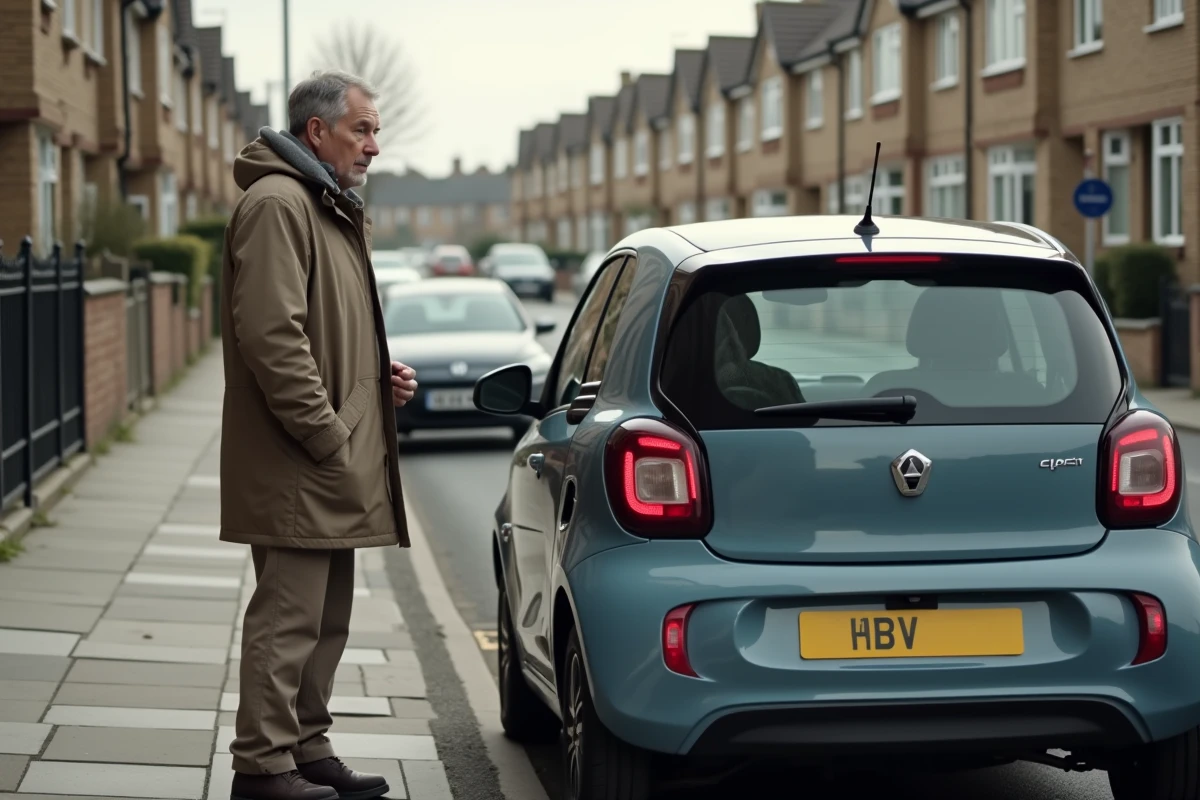
Adopt the right reflexes to avoid running out of fuel and preserve your engine
The signal lights up, tension rises. On a Renault Twingo 2, the reserve is not meant for improvisation. A few simple habits can change the game when every liter counts.
As soon as the warning light appears, slow down. Less speed means less consumption, and every kilometer gained can make a difference. Head straight to the nearest station; there’s no need to extend the journey. Check the gauge regularly, plan your trips, and limit repeated use of the reserve.
To preserve the engine, it’s best to avoid driving with very little fuel. The deposits at the bottom of the tank are then sucked up, affecting the injection and fuel pump. Maintenance is not just about the technical inspection: remember to check the fuel filter, keep an eye on the injectors, and avoid multiple starts on reserve.
An unexpected stop on the road can quickly become problematic. For road safety, always anticipate your refueling, especially in areas where stations are scarce. Getting into the habit of managing your fuel level can save you a lot of trouble and allow you to continue your journey without unpleasant surprises.