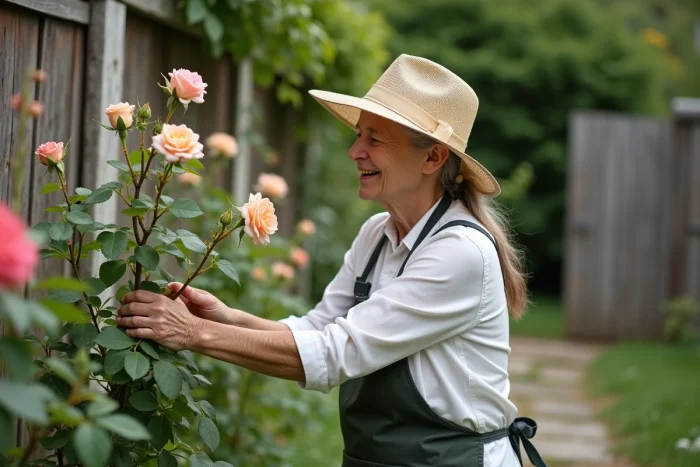
The severe pruning of an old rose bush does not necessarily condemn the plant, contrary to popular belief. Some specimens even rebound more vigorously after this operation, provided that a few specific principles are followed. Spectacular blooms do not solely depend on the age of the rose bush, but rather on the attention given to each stage of care.
Ignoring the pruning schedule or neglecting to sharpen tools are among the most common and costly mistakes. Choosing a method suitable for the variety and applying post-pruning care are decisive factors in restoring strength and vitality to a tired rose bush.
Why an old rose bush deserves a second youth in your garden
In the meanders of its branches and under the rigor of its thorns, the old rose bush reveals a vigor that surprises. Reviving an old rose bush goes beyond mere gardening: it is about preserving a living history at the heart of the garden. Even after years, many bush or climbing roses hide a potential for regeneration, provided one acts methodically and at the right time.
As the rose bush ages, dead wood accumulates, stunting its growth and attracting diseases. Clear away tired branches, aerate the center of the plant: light returns, air circulates better, and fungi find closed doors. Autumn or very early spring are particularly suitable, but each type of rose has its preferences. A climbing rose requires different attention than a bush or a vine. This distinction influences the flowering of the following year and promises a spectacular renewal.
To delve deeper into how to rejuvenate an old rose bush, feel free to read “Rejuvenating an Old Rose Bush: Effective Pruning Tips and Techniques – Jardindivert.” An abandoned rose bush is not doomed. With the right actions, it can become a centerpiece of the garden again, ready to offer its flowers and fragrances once more, far from the anticipated decline. The change is noticeable season after season: new branches, denser foliage, better resistance to diseases. Giving a rose bush a second youth means restarting a cycle of vitality and restoring the plant’s full presence.
What are the right actions and essential tools for successful pruning
Understanding the structure before any intervention
Before starting the pruning, one must first observe the structure of the rose bush: distinguish the main branches from the secondary shoots, noting what gives strength to the plant. Depending on whether it is a climbing, remontant, or bush rose, the pruning will differ. To stimulate a generous flowering, cut at a slant above a bud facing outward: this is how the most vigorous shoots are formed. Prune the secondary shoots to concentrate the sap where it will be most useful.
The tools: simplicity and efficiency
To achieve a clean pruning, the rose bush does not need a plethora of tools, but rather reliable and well-prepared equipment:
- Well-sharpened and disinfected pruning shears, to avoid introducing diseases.
- Appropriate pruning saw when branches are too thick for the shears.
- Sturdy gloves, specially designed to withstand thorns.
The timing of your pruning depends on the variety: remontant climbers prefer winter, while some other varieties should be pruned as early as spring. For a climbing rose, it is better to keep the main branches, remove dead wood, and eliminate weak shoots. Each cut should be clean and sharp, to reduce the risk of diseases and encourage lateral growth.
In the reality of gardening, precision matters more than the quantity of wood cut. Thoughtful pruning revitalizes the plant, facilitates maintenance, and promises abundant flowering the following year.

Clever care and tips to boost flowering after pruning
After pruning, the old rose bush requires special attention. Generous watering at the base, especially if drought threatens in spring, remains a key step. It is important to keep the soil moist, without excess water. An organic mulch, whether well-matured compost or perfectly decomposed manure, protects the roots, limits evaporation, and gently nourishes the rose bush. To encourage the emergence of new shoots, a potash-rich fertilizer makes all the difference: the flowering of the second year already looks more promising.
A few additional actions can help prevent common diseases: black spots, powdery mildew, or rust take advantage of pruning wounds. A spray of Bordeaux mixture at the time of bud break slows the progression of fungi. If aphids arrive, act without delay: a simple jet of water or black soap is often enough to contain the invasion and preserve the vigor of the young leaves.
It is recommended to regularly remove wilted flowers: this reflex prolongs flowering, as the plant’s energy concentrates on producing new buds. In areas where humidity reigns, space out watering and open the center of the rose bush to avoid diseases. Carefully and consistently cared for, the old rose bush regains its vigor and offers the garden a new dynamic, season after season.
An old rose bush that revives ensures that a corner of the garden thought lost will be reborn every spring. The story continues, and each new flower tells of the plant’s tenacity and that of the gardener.